It's all about a healthy lifestyle

Health Blog

Below you find healthy recipe inspirations and expert tips that you can try out right away.

My First Week of Fasting: 6 Days Without Food—My Experiences and Recommendations

Last February, I went to a health resort in Germany with a friend to fast. For five days, I abstained from solid food and instead drank at least three liters of water, herbal tea, vegetable broth, and warm lemon water every day.

Although I’ve been interested in nutrition and various forms of fasting for quite some time, both professionally and personally, this was my first extended therapeutic fast. My goal was to give my body a break, let go of the stress of the past few months, and promote what’s known as autophagy—a natural cellular recycling process that begins about 12–14 hours after the last meal.

My Experience

The first three days were challenging. I felt tired, was often cold, had heavy legs, and was very emotionally sensitive. Still, I decided to keep going.

Starting on day four, everything changed: My energy returned, I was able to study with focus, and I felt calm and balanced inside. This feeling lasted until the end of the fast. I was particularly impressed by the lightness and clarity I felt during those last few days.

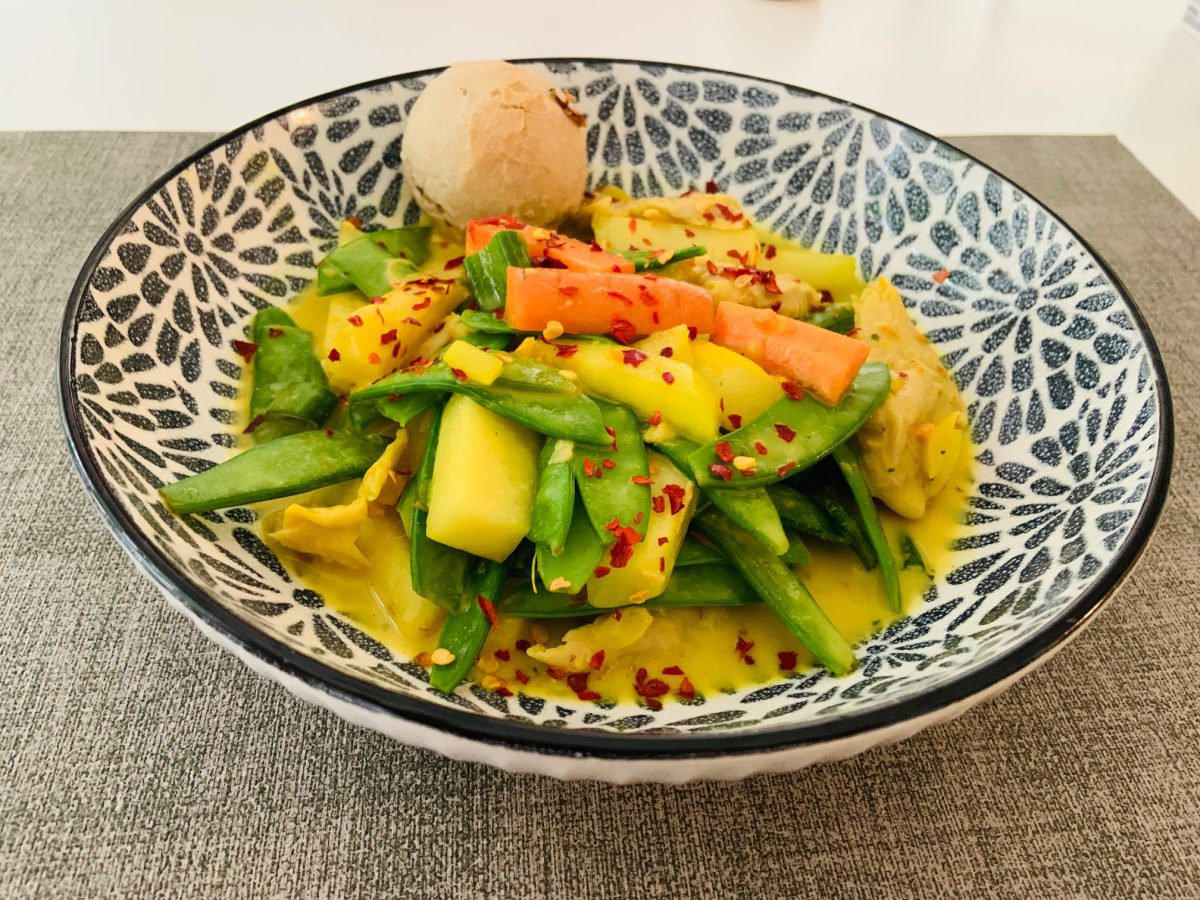
On the seventh day, I broke my fast with a stewed apple, rice, and vegetables. Looking back, the experience was so positive that I’m sure this won’t be the last time I fast.

My Top 3 Fasting Tips

1. Good preparation is crucial

Prepare your body about a week in advance:

  • Eat mostly plant-based foods that are easy to digest.
  • Gradually cut back on coffee, black tea, and green tea.
  • Make a point of setting aside time for relaxation, walks, or meditation.
  • If you have any pre-existing medical conditions, you should discuss fasting with a healthcare professional.

2. During fasting: Rest, no need to perform

It's normal to experience some discomfort during the first few days. Here's what helped me:

  • Viel trinken (Wasser, Kräutertee, Gemüsebrühe)
  • Walks and light exercise
  • Warmth from a sauna, a bath, or warm clothing
  • Adequate sleep and intentional relaxation

My tip: Choose a quiet environment with a light schedule. Fasting isn't a week of intense activity, but a time for recovery.

3. Ease back into eating

After several days of fasting, your digestive system needs time to adjust.

Some examples of foods suitable for breaking the fast include:

  • Steamed apple with cinnamon
  • White rice with steamed vegetables
  • Small amounts of high-quality oils, such as olive oil

Increase the amounts gradually and, if possible, continue to cut back on coffee during the first week after fasting.

Conclusion

Fasting can be a valuable way to consciously allow your body and mind to rest. Key to a positive experience are good preparation, sufficient rest during the fasting period, and a gentle return to eating.

If you want to make long-term changes to your diet after fasting, this is often the ideal time to do so. Professional nutrition coaching can help you with this.

I'd love to hear about your experiences, questions, or feedback on this post via the contact form below.


Recipe Idea: Protein Balls

Your sweet snack for working from home or on the go

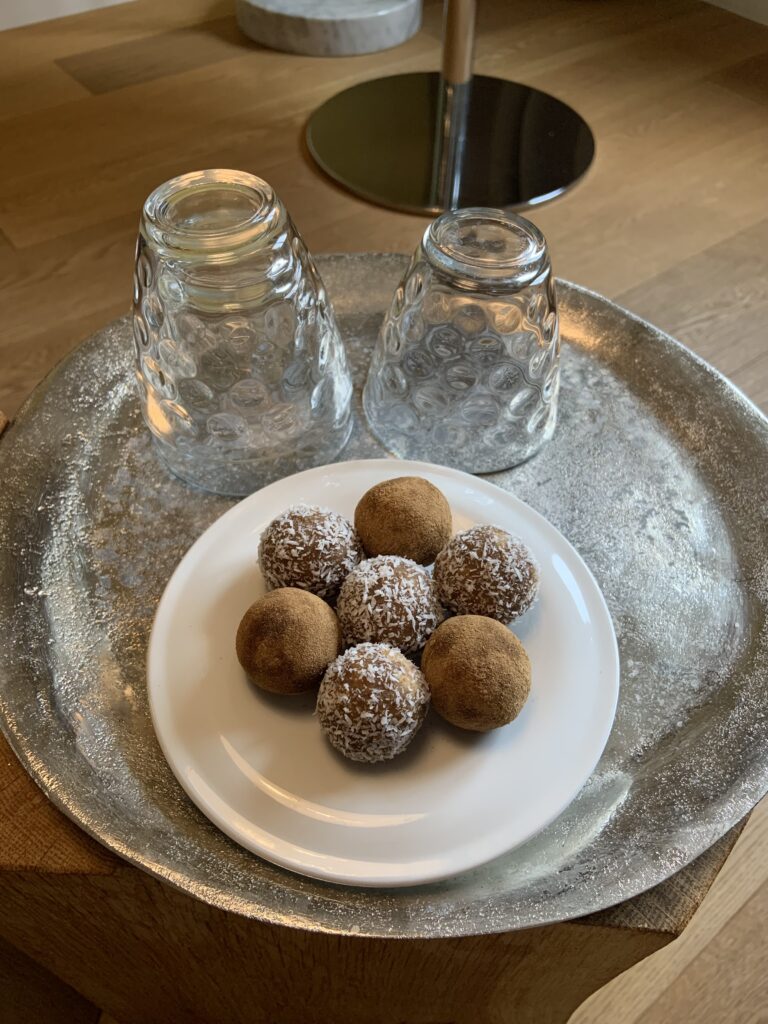
The protein balls are not only delicious, but also ideal for growing your muscles. In addition to protein, they provide your body with important fatty acids. Among other things, you need these to form testosterone - the hormone that is essential for building muscles. The complex carbohydrates in the chickpeas also ensure that you stay full for a longer period of time. The balls are also ideal as a healthy snack after your exercise routine. I would recommend one or two balls as a snack after your training. 

Ingredients for approx. 20 balls

Preparation

DSC4507 2

The protein balls are not only delicious, but also ideal for growing your muscles. In addition to protein, they provide your body with important fatty acids. Among other things, you need these to form testosterone - the hormone that is essential for building muscles. The complex carbohydrates in the chickpeas also ensure that you stay full for a longer period of time. The balls are also ideal as a healthy snack after your exercise routine. I would recommend one or two balls as a snack after your training. 

Meal Prep – Lessons Learned and Tips on Preparing Meals

In this blog post, you'll learn:

  • What Meal Prep Is and Why It's Worth It
  • Die wichtigsten Zutaten für deinen Vorrat
  • Drei einfache Meal-Prep-Ideen für den Alltag

1. Why Meal Prep?

Meal prep means preparing meals or individual ingredients in advance so you can quickly whip up healthy meals during the week.

For me, meal prep goes one step further: it ensures that healthy, delicious, and energy-packed meals are always within reach. You don’t need complicated recipes. Often, just a few high-quality ingredients—such as vegetables, legumes, whole grains, nuts, and good oils—are all it takes.

The benefits:

  • You'll save time in your daily life.
  • You'll spend less money on spontaneous meals at restaurants or takeout.
  • It's easier for you to make healthy choices.
  • You can reduce food waste by planning better.

Just one day a week spent cooking or preparing meals can make your daily life much more relaxed.

2. The Simple Meal Prep Shopping List

I divide my shopping list into two sections:

Pantry

I try to always have these foods at home:

  • Lentils, chickpeas, beans
  • Quinoa, buckwheat, or whole-grain rice
  • Oats
  • Nuts and seeds
  • Peeled tomatoes, coconut milk and almond butter
  • High-quality olive oil
  • Spices such as paprika, turmeric, and herb blends
  • Frozen vegetables and frozen berries

Fresh Ingredients

I buy these weekly as needed:

  • Seasonale Vegetables
  • Salads and fresh herbs
  • Eggs
  • Plain yogurt
  • Tofu und feta
  • Fruit

My tip: Write your shopping list before you go shopping. This saves money and time and prevents unnecessary impulse purchases.

3. Three Simple Meal Prep Ideas

Breakfast: Mood-Boosting Oatmeal

Mix rolled oats, water, flaxseed, cinnamon, cocoa, and almond butter into a creamy porridge. Top with berries, nuts, or a little plain yogurt.

Perfect for preparing meals in advance for several days and ideal for the office or on the go.

Lunch: Snack box with parsley pesto

Prepare the parsley pesto (see the next post).

Pairs well with:

  • Vegetable sticks
  • Hard-Boiled Eggs
  • Whole-grain crackers or bread

A quick and nutritious meal for your lunch break.

Dinner: Pasta with parsley pesto

Cook whole-grain, rice, or buckwheat pasta and mix it with the prepared pesto.

This dish is ready to serve in just a few minutes and is perfect for busy workdays.

Conclusion

Meal prep doesn't have to be complicated or time-consuming. With a good shopping list, a few basic ingredients, and a handful of simple recipes, you can prepare healthy meals for several days.

Start small: Begin by preparing just your breakfast or lunch. Once you get into a routine, meal prep will become an easy habit that saves time and improves your diet in the long run.

More tips and inspiration on meal prep and other topics will be coming soon in my book. Fill out the form to be among the first to hear about the book’s release.

Parsley: A Superfood

A Vitamin C Powerhouse as a Natural Antioxidant

In my bachelor’s thesis, I explored local and exotic superfoods and their health benefits. Parsley is one of my favorites. This local herb is rich in vitamin C, bitter compounds, and many other phytochemicals that support your health. I love using parsley in pesto—it’s a wonderful local alternative to basil in the summer.

INGREDIENTS FOR 2–3 servings

_DSC4711

PREPARATION:

  • Lightly toast the nuts in a pan over medium heat without adding any fat until they become fragrant. Let them cool.
  • Wash the parsley and roughly chop it, including the stems; squeeze the lemon juice
  • Place the chopped parsley and lemon juice in a blender along with the nuts and olive oil. A hand blender with an attachment for pureeing legumes or making spreads and pestos works well for this.
  • Chop everything in the blender (attachment) until a coarse paste forms
  • Parmesan oder Sbrinz daruntermischen
  • Season with salt to taste
  • Pour into small canning jars and cover with olive oil to extend shelf life
  • For the pasta version: Arrange the snack vegetables and hard-boiled egg on a plate. Dip them in the parsley pesto and enjoy!
  • For the low-carb version: Cook the pasta according to the package directions. Before draining the pasta, remove one espresso cup of pasta water from the pot. Drain the pasta, then add the pasta water and your desired amount of pesto to the pot. Toss with the pasta and enjoy!
  •  

Nutrition and Mental Health—Three Real-World Examples of How These Factors Are Interrelated

Many people associate nutrition primarily with weight, fitness, or health. What is less well known is just how much our diet also affects our energy levels, concentration, and emotional balance.

Three factors play a particularly important role here: blood sugar levels, the microbiome, and our hormones.

1. Blood Sugar: Fewer Swings, More Energy

Significant fluctuations in blood sugar levels are primarily caused by large amounts of free sugar, such as that found in candy, soft drinks, sweetened yogurt, or highly processed foods.

Typical consequences may include:

  • Cravings
  • Energy Slumps
  • Concentration problems
  • Irritability and mood swings

To help maintain more stable blood sugar levels, I especially recommend balanced meals that include:

  • lots of vegetables
  • a source of protein (e.g., eggs, tofu, legumes, or cottage cheese)
  • high-quality fats
  • complex carbohydrates such as whole-grain products, potatoes, or quinoa

The more natural a meal is, the longer it keeps you full and the more consistent your energy levels remain.

2. The Microbiome: Your Gut Bacteria Affect Your Well-Being

Billions of microorganisms live in our gut. Through what is known as the gut-brain axis, they interact closely with our nervous system and can influence our well-being.

For the “good” gut bacteria to thrive, they need two things above all else:

Prebiotics (dietary fiber)

These serve as food for gut bacteria and are found in, among other things:

  • Vegetables
  • Fruit
  • Oats
  • Legumes
  • Whole-grain products

Probiotics (living microorganisms)

These can be found, for example, in:

  • Plain yogurt
  • Sauerkraut
  • Kimchi
  • Tempeh
  • Miso paste

A varied, plant-based diet is usually the best way to support the microbiome.

3. Hormones: The Building Blocks of Inner Balance

Hormones affect our mood, energy levels, and resilience every day.

In order for the body to produce hormones, it needs sufficient amounts of:

  • high-quality fats
  • Proteins
  • Micronutrients

Particularly good sources of fat are:

  • Nuts
  • Seeds
  • Kernels
  • Olive oil
  • Flaxseed oil

Proteins are also important—not only for muscles, but also for numerous metabolic processes and the production of signaling molecules in the body.

Good sources of protein include:

  • Legumes
  • Tofu
  • Eggs
  • Plain yogurt
  • Cottage cheese
  • Fish and meat
  • Nuts and seeds

What matters isn't the perfect meal, but consistency throughout the week.

Conclusion

If you want to support your mental health through your diet, start with these three simple steps:

  1. Cut back on highly processed, high-sugar foods.
  2. Eat plenty of vegetables and fiber every day.
  3. Include high-quality fats and protein sources in your diet on a regular basis.

Even small changes can make a big difference in your energy, concentration, and emotional balance.

As always, sustainable change happens step by step—not overnight.

Do I need extra protein?

Pros & Cons of protein powders

Many athletes swear that protein powders help them to build muscle strength, especially after strength training. For others, however, there is great uncertainty about the personal benefit of protein powders. To help you better understand the topic, you will find three arguments for and against protein powders below:

Quick & Healthy

Carrot Power Smoothie

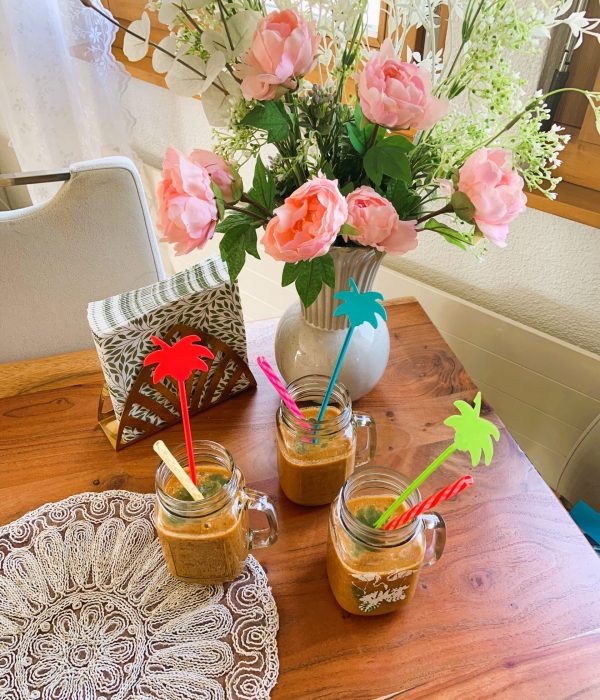
Smoothies are the perfect way to get your daily dose of fruits and vegetables. This delicious carrot smoothie will be the healthy highlight of your next brunch, I promise!

INGREDIENTS FOR 3-4 SMOOTHIES:

Tip if you're suffering from acne: Instead of flax seeds use 1 tbsp of hemp seeds.

Karotten-Smoothie5.png

PREPARATION:

Orange layer:

Wash and roughly chop the carrots and apples. Remove the seeds from the dates. Wash and halve the curcuma. Put all the ingredients for the orange layer in a container, puree and divide into two glasses.

Green layer:

Peel and roughly chop the banana and kiwi. Squeeze out the lemon juice. Put everything together with spinach into containers to puree. Spoon onto the orange layer in the glasses.

Tip: If you buy carrots with stalks, you can use them for decoration!


Would you like to get more inspiration and delicious recipes?

Then sign up here for the waiting list for the healthynate book—the first edition will be released in the fall of 2026